The findings, musings, challenges, and triumphs of educators who came away inspired and empowered in their teaching are also included. Infusing your teaching with a Liberatory STEAM education approach is an eye-opening, never-ending journey of discussion, reflection and discovery.
Through this course, we can better encourage student belonging within the classroom, through centering students' experiences, interests and identities, and creating inclusive and joyful spaces for learning.
“Imene has a beautiful and powerful way of describing the importance of developing our lens and practice toward equity and celebration of all in our work with students. I really appreciated the metaphors she offered for this (the poem, murmurations, etc.) and will take them into my work to center and ground our community in these values.”
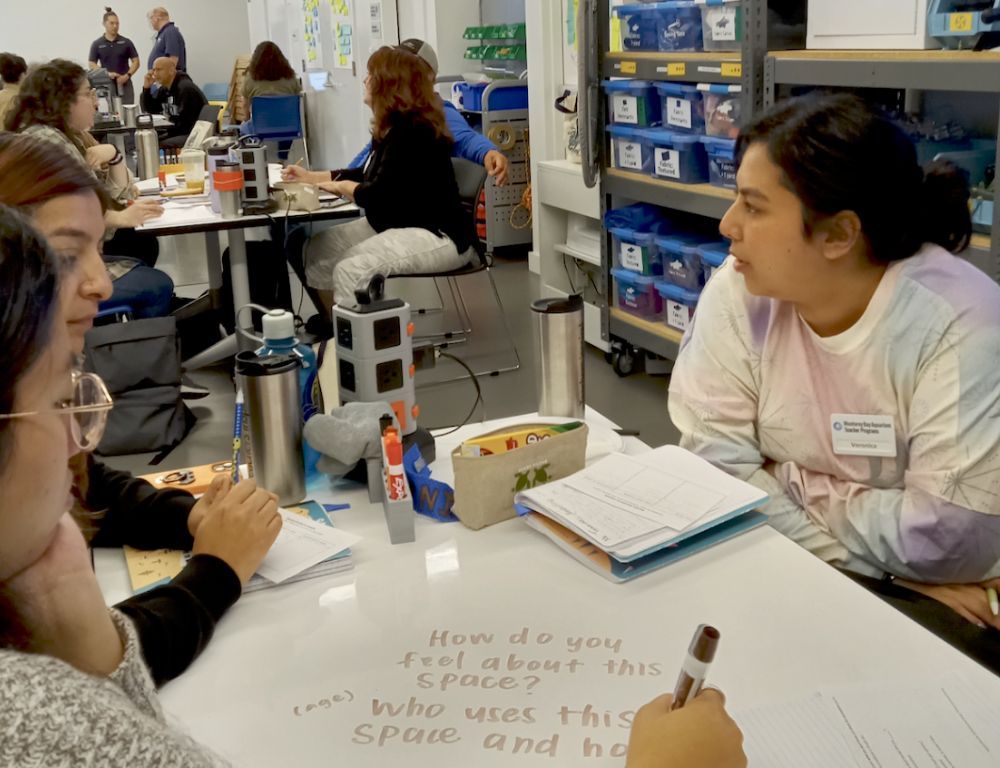
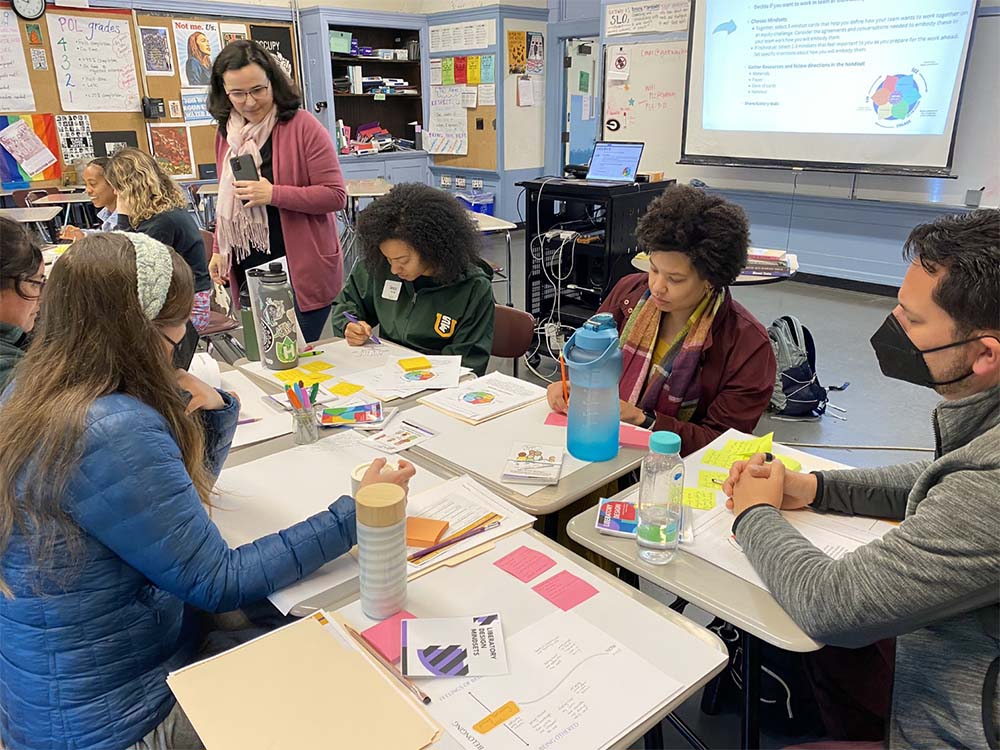
What many found inspirational was how educators support their students’ personal stories and identities, and exchange ways to cultivate these discussions in STEAM spaces. Educators shared how they cultivate empathy and belonging in the classroom.
“...I enjoyed seeing both the models and the applications, and hearing from other more experienced teachers about how they mindfully incorporate Liberatory STEAM education. I'd like to continue researching this and see how I can adapt my curricula accordingly.”
“I really loved talking about our identities in STEAM and where they started. I loved discussing how we can implement personal connection and create a culture of safety for identity in the classroom.”
These discussions became a launching point for many educators to reflect, and grasp new tools to help foster inclusive classroom spaces for their own students.
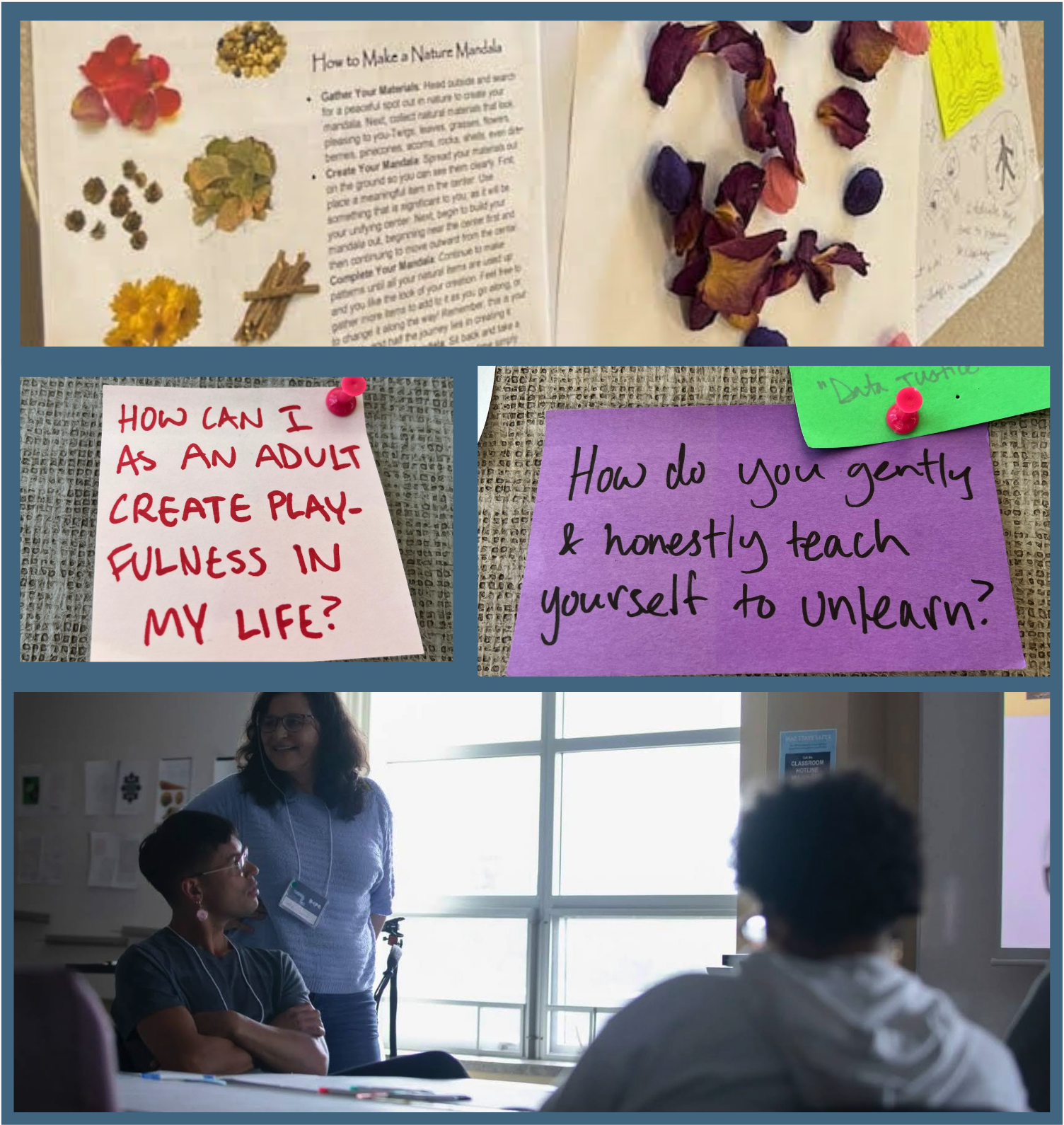
Another inspiring activity that captured reflection was through the identity wheel.
“I was first captured by the identity wheels, which I've seen in other contexts, but they made me dig deep into how I've evolved over time, which made me remember what it was like to be a kid adopting any sort of STEAM identity. I realized it was mostly the people that I looked up to that made me love science and math, and not necessarily the subjects themselves. It's making me more conscious of the impression I leave.”
Through these discoveries, educators were able to learn and discuss how to incorporate culture and individual voices in the classroom.
By the end of the course, everyone had a deeper understanding of Liberatory Steam education and how shifts in teaching practices can make big impacts.
Others were able to identify new goals and new values that they hadn’t considered before. “I want to focus more on the holistic student rather than just focus on learning. I would like to see them grow more as people,” one educator mused.
“I really need to build space for joy. It's been on my mind a lot, and I really want to find where students can find the joy in the things that we already find joy in. Where can we find joy in nature and history that students can relate to?”
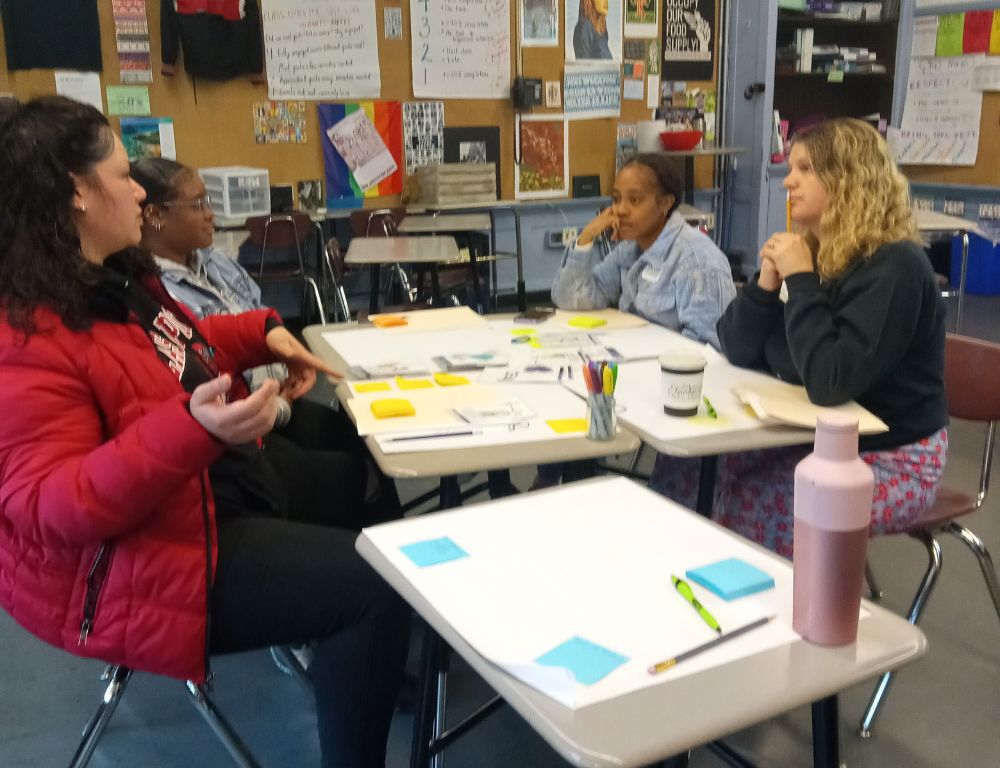
“Many educators came away with a new consideration for how students' and teachers' unique cultural and social history contributes to their learning, and how this can be supported and celebrated. A lot of BIPOC students feel like they don't belong in a science classroom, and it is very important that they feel a sense of belonging in EVERY space they enter. Really holding the space for them is an important/top goal of mine.”
As one educator pointed out, we all remember the labels and stereotypes we had to navigate growing up, especially around STEAM, such as being a “science kid” or an “outdoors kid.” As we’ve learned, there are ways we can better draw from students' own interests when teaching.
“I think this approach will be useful especially for students that are mistrustful because of past traumatic experiences in school or for students with interest-based neurotypes who need to feel connected and inspired by the curriculum to thrive.”
This course served as a safe and supportive space for educators to learn from one another and explore new teaching possibilities. For some, it was a brand new way to reframe teaching. For others it was a reminder to continue to include students' identity – that what they’ve cultivated in their classrooms is valuable, important, and should continue.
“This course opened up my mind to more ways to teach STEAM and to not be afraid to make connections in different ways with my students and those I work with. I appreciate how it is a much more holistic approach to education than traditional STEM education. It really considers the student & the teacher for their unique cultural & social history.”
It’s inspiring when there are tools educators can use to adapt curricula to support belonging, comfort and joy. To center the students' social and emotional learning before lesson content creates a sense of belonging so students will feel empowered inside the classroom!
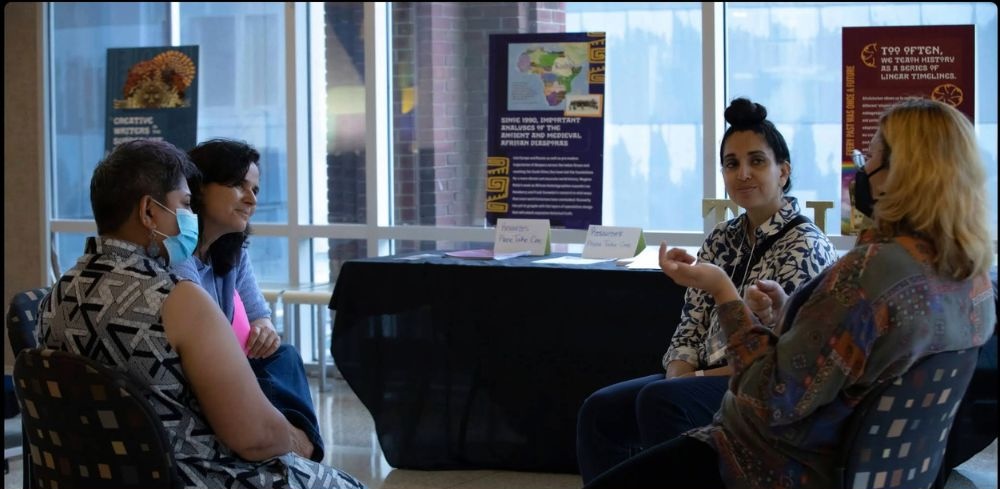
Sign up to join us on a transformative journey toward a brighter, more equitable future in STEAM Education. We will keep you in touch with what is unfolding with The STEAM Learning Institute, the state of our projects & publications, our convenings, training, and equitable curriculums.

